Education
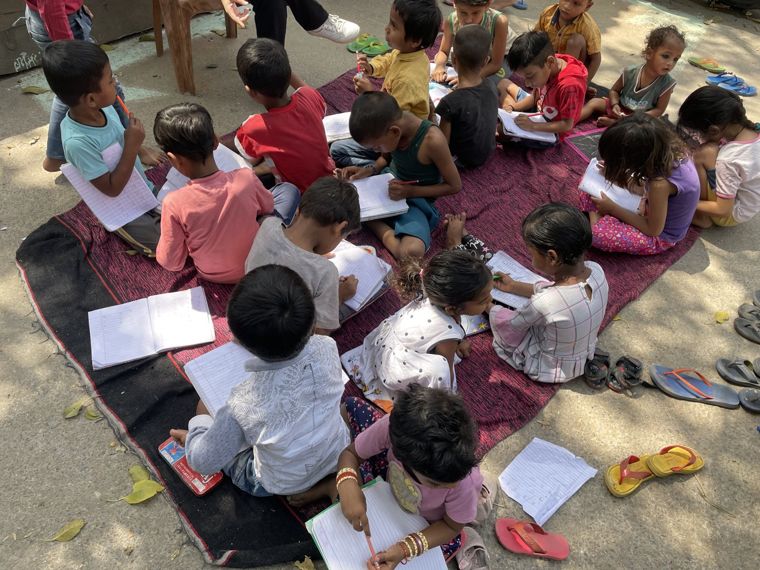
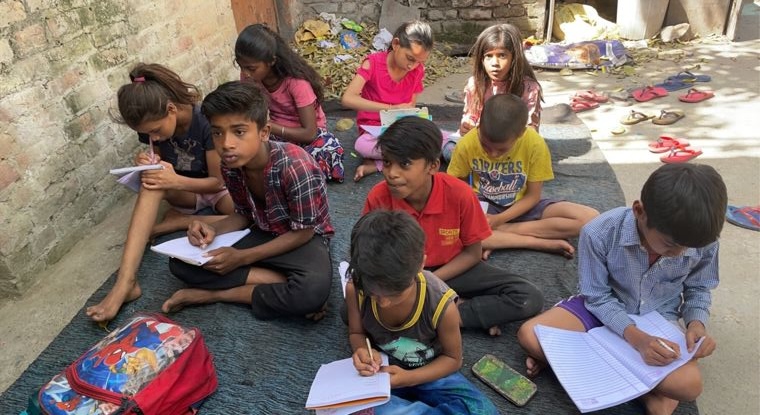
Free, consistent classrooms for children in Delhi's bastis — not a one-off camp, but a years-long relationship. We meet each child where they are on the day they arrive, and stay until they're standing somewhere better.

Nawazishein is a Delhi-based nonprofit working alongside slum communities since 2020 — in classrooms, courtyards, and crossings.
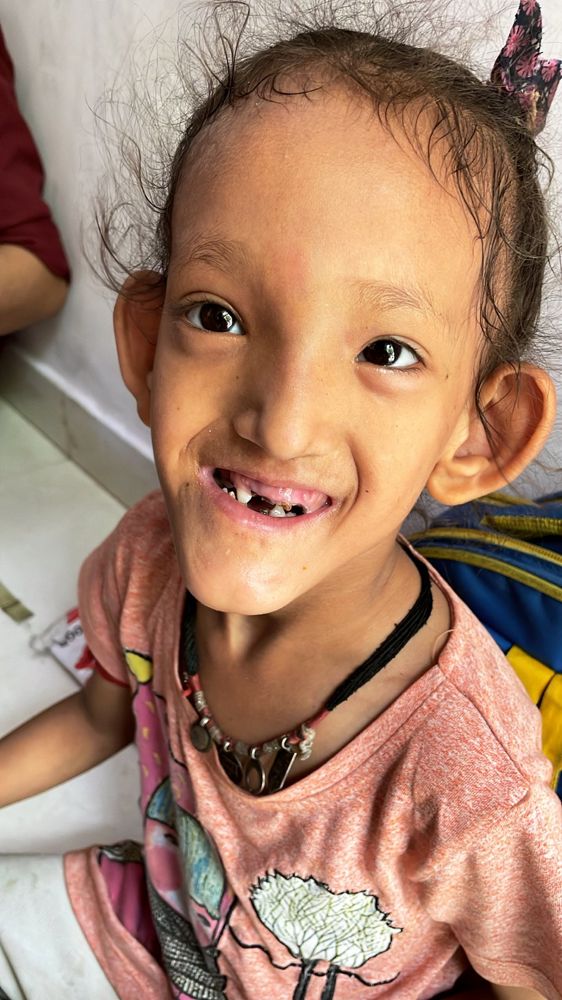 From the ground · Delhi
Nawazishein is an Urdu word. It means small graces — the everyday courtesies and kindnesses one extends without keeping score. We took the name because that is how this work actually happens: not in grand gestures, but in the daily, unglamorous practice of showing up.
We work in Delhi's bastis and resettlement colonies, where the gap between possibility and access can feel a mile wide. Free classrooms for children. Workshops on safety and mental health for women. Hygiene drives, animal welfare, monsoon and winter supply runs — whatever the moment asks for.
None of it is charity. It is, we hope, what neighbours owe one another. A city is only as kind as the people willing to be kind in it.
Children taught and held steady across our classrooms.
Camps, workshops, and drives across Delhi neighbourhoods.
Years on the ground, with roots reaching back to 2018.
Founders, plus a wide circle of volunteers who keep showing up.
The work isn't dramatic. It is consistent — and consistency, in places that have rarely been given any, is its own kind of revolution.
Free, consistent classrooms for children in Delhi's bastis — not a one-off camp, but a years-long relationship. We meet each child where they are on the day they arrive, and stay until they're standing somewhere better.
Skill-building circles, safety conversations, and practical help for women whose days rarely leave room to think about themselves. The point is dignity that holds up even when no one is watching.
Workshops that treat mental health as something ordinary — not a crisis to be managed but a part of being alive. Especially for young people who have never had language for what they feel.
Sanitary-pad distribution, basic health camps, plain conversations about the things families don't always get to discuss. Small interventions that quietly remove a daily friction.
Feeding, sheltering, and standing up for Delhi's street animals — the dogs and cats who share these neighbourhoods and depend entirely on the kindness of strangers.
Festival meals, winter blanket runs, monsoon supply distributions. Whatever a neighbourhood is going through, we try to be there with something useful in our hands.
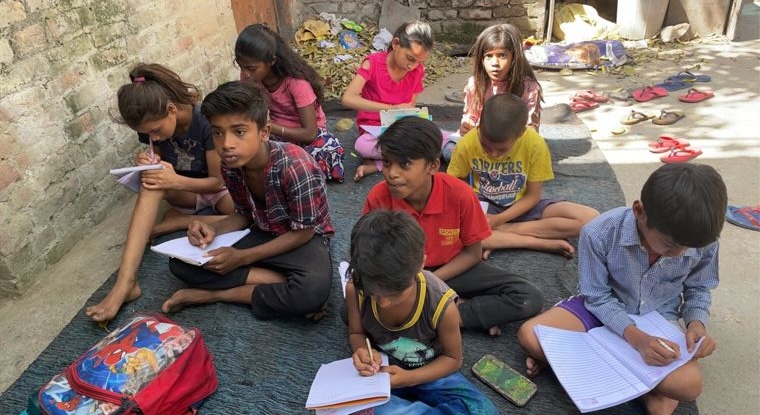
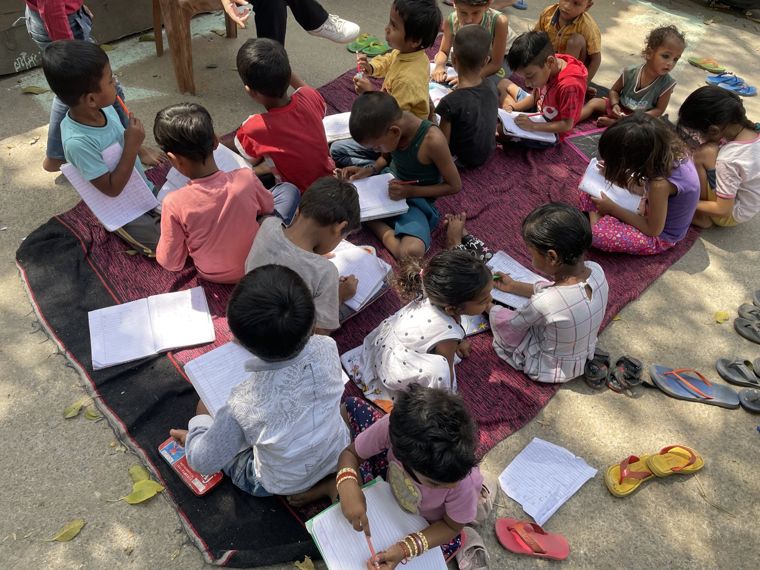
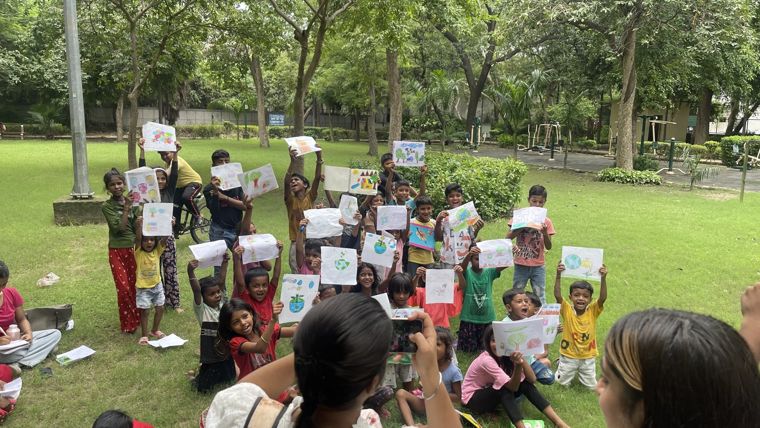
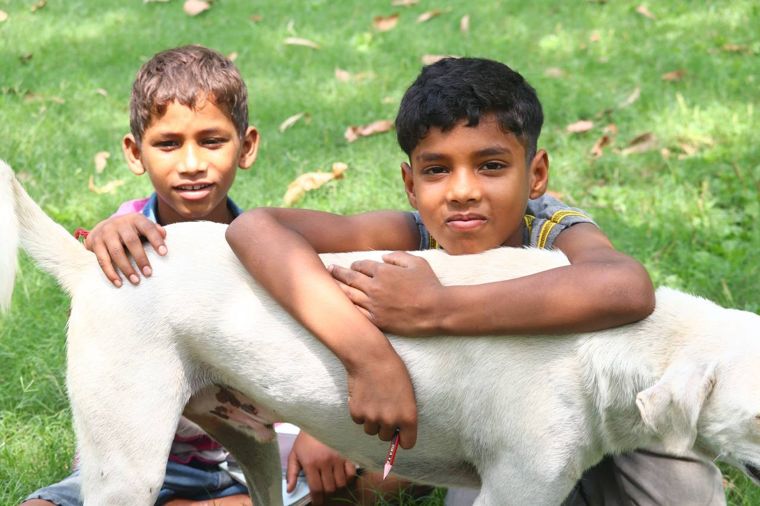
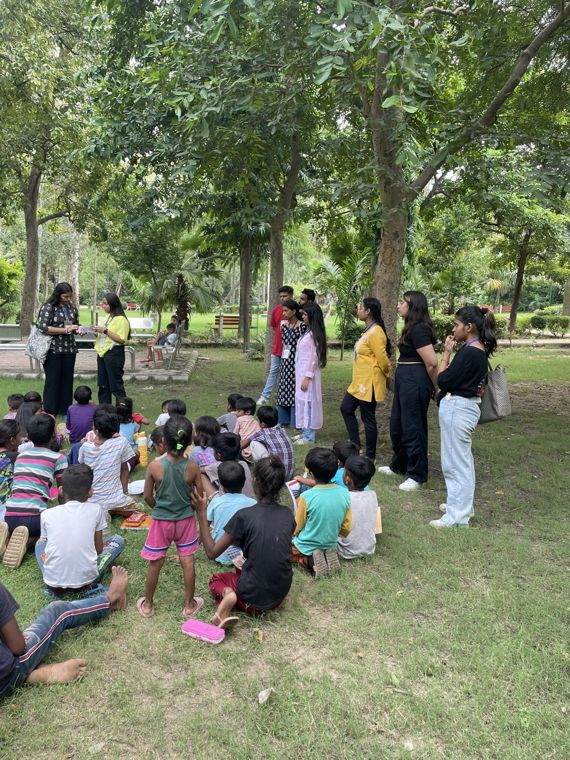
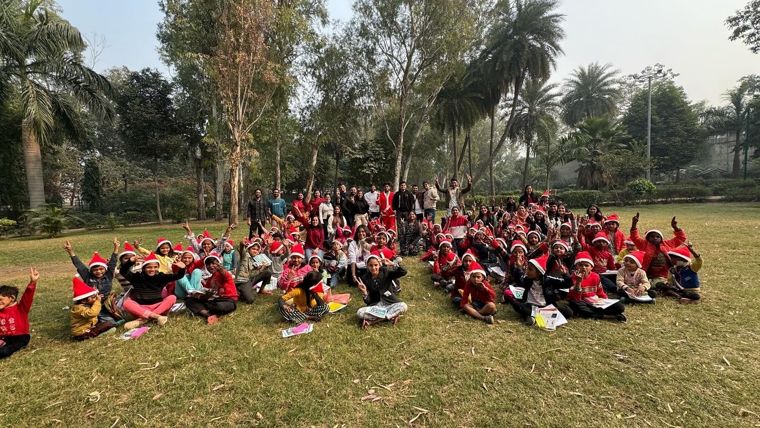
The latest from @nawazisheinfoundation — a window into what an ordinary week looks like.
A few moments from our Instagram · Follow @nawazisheinfoundation →
Kindness costs nothing. Sharing it changes everything.
Nawazishein Foundation is a Delhi-based Section 8 nonprofit, working alongside slum communities since 2020 — and informally since 2018.
In the summer of 2018, four strangers walked into the same NGO in Delhi for the same internship. The sort of thing students do — a line on a résumé, a few weeks of being useful, somewhere to put your time before the next thing. None of them walked in expecting to find each other.
But internships have a way of revealing people. Over those weeks, Jaya, Sourabh, Mansi, and Satnam kept ending up on the same projects, the same conversations, the same long bus rides back. They argued, mostly about how things ought to be done. They agreed, eventually, that most things weren't being done well enough. When the internship ended and everyone else went home, they didn't.
They had no plan. They had no money. They were students, running on pocket allowances and the occasional part-time wage. What they did have was each other, and a stubborn, slightly naive sense that they couldn't, in good conscience, just walk away from what they had seen.
So they pooled what they had. A few hundred rupees a month. With that, they started showing up at places the city tends to look past: blind schools, schools for children with disabilities, orphanages, old-age homes. Whatever they could afford to bring, they brought. Whatever they couldn't, they made up for with hours.
They had nothing, in the practical sense. But they had each other, and a refusal to look away. That, it turned out, was enough to start with.
After a year or so, they noticed something else: the children in the slum near where they worked weren't going to school at all. So they started teaching — weekends at first, then more often. A few children became a dozen. A dozen became a classroom. The work shifted from monthly events to weekly relationships.
By 2020, the loose collective had grown too large to keep running on goodwill alone. They registered Nawazishein Foundation as a Section 8 nonprofit under the Companies / Societies Registration Act of 1860. They wrote a constitution. They opened a bank account. They became, on paper, what they had already been in practice.
Today, more than 300 children have come through our classrooms. We have run over 50 community events across Delhi. The four founders all hold full-time jobs now, in companies you'd recognize, and the foundation runs on their evenings, their weekends, and the time and care of a growing circle of volunteers. The internship ended a long time ago. The work never did.
We don't do this work from a distance. Our classrooms sit inside the neighbourhoods they serve, and the people running them know the names of the families they show up for.
Real change is measured in years, not in quarterly reports. We're interested in what is still standing five years from now — not in what we can post about next week.
The most useful work is rarely dramatic. It's a notebook, a meal, a steady adult in the room — and we're happy to be that, every Saturday, for as long as it takes.
All four of us hold full-time jobs. The foundation runs on our evenings, our weekends, and the time and care of a growing circle of volunteers.
Founder
Content Reviewer at Amazon
Jaya keeps the calendar — and the through-line of why we exist. She holds our long-term commitments to the families we work with, and has the difficult conversations no one else wants to have.
"The work doesn't end when the Sunday ends."
Co-Founder
Brand Head at Tencha
Sourabh shapes how the foundation talks about itself — and, more usefully, how it stops talking long enough to listen. He runs partnerships, outreach, and most of the late-night strategy sessions.
"Listen first. Then build."
Treasurer
Content Writer at Amazon
Mansi is the reason the books balance. She tracks every rupee in and every rupee out, writes the donor receipts, and gently insists that we plan beyond the next event.
"Every rupee deserves a record."
Digital Marketing
Associate Consultant at ZS
Satnam runs the part of the foundation that lives online — the Instagram, the volunteer pipeline, the way most new people first hear about us. If you found us through a reel, you found us through his work.
"The story online has to match the story on the ground."
Nawazishein Foundation is a registered Section 8 nonprofit under the Companies / Societies Registration Act of 1860. We operate without paid staff — every founder, volunteer, and contributor donates their time alongside a full-time job. The work is funded primarily through individual donations and the occasional small grant. Every rupee is accounted for, and we're happy to show you how.
An honest accounting of what we've done since 2020 — the milestones, the programs, and the events that actually shaped us.
Across our weekly slum classrooms in Delhi — and counting.
Camps, drives, festive distributions, and seasonal community work.
Formally since 2020, informally since 2018.
Blind schools, schools for differently-abled children, orphanages, senior homes.
Mostly working professionals, students, and parents from the neighbourhoods.
Stated plainly, and meant exactly as plainly as it sounds.
Four students, one NGO internship in Delhi, an unlikely group chat that wouldn't go quiet after the placement ended. The seed wasn't a plan — it was a refusal to disband, and the slow realisation that they'd just found their people.
Pocket money pooled at the end of each month, dates set, hosts found. Monthly visits to blind schools, orphanages, and senior homes — each event budgeted in three-digit rupees, each one stretched further than it had any right to be.
A constitution, a bank account, a registration certificate under Section 8 of the Companies / Societies Registration Act of 1860. And, in the same year, the first weekly classroom in a Delhi slum — the moment the work shifted from monthly events to long-term relationships.
We learned, quickly, that working with children means working with their mothers. Safety workshops, sanitary-pad distributions, and quiet conversations about things no one else in the neighbourhood was bringing up — added to the calendar that year.
Two threads opened in the same year, both overdue. Mental-health workshops aimed especially at adolescents, and a small but steady effort for Delhi's street animals — feeding, sheltering, and stepping in when no one else would.
Three years of getting better at the work, not bigger. A real volunteer programme, partnerships with schools and small foundations, and the slow, occasionally thrilling realisation that a tiny group of friends had quietly become a small institution.
Four programs that have grown into the backbone of what we do — each one developed slowly, and each one still evolving.
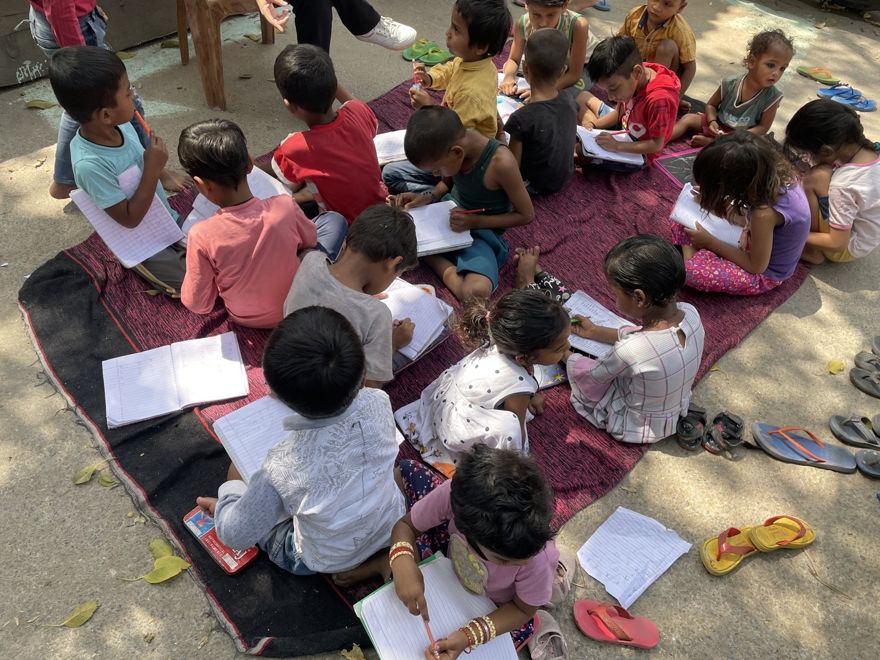
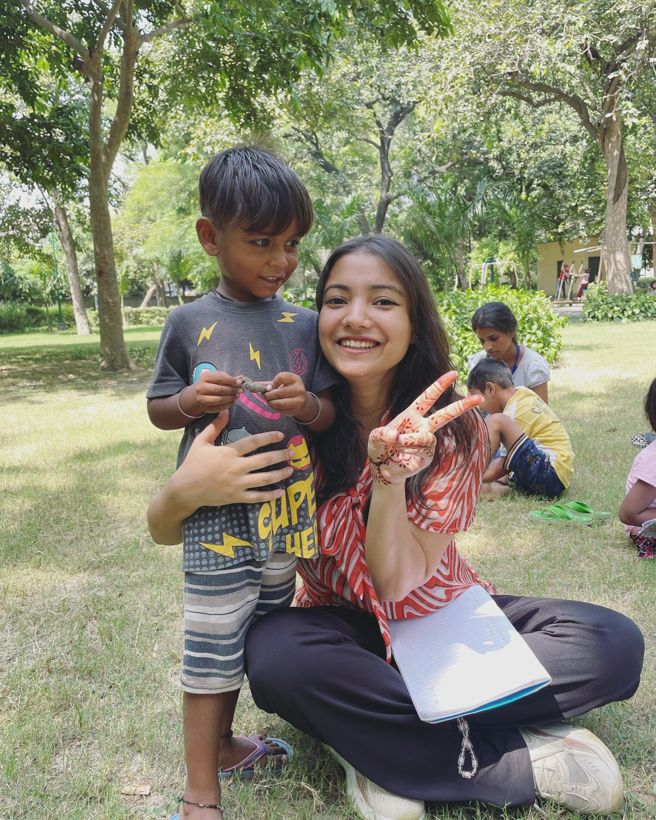
Every Sunday morning, a small classroom convenes in a Delhi basti. Mats unrolled on the floor, a whiteboard propped against a wall, a few dozen children somewhere between five and fifteen years old. We teach basic literacy and numeracy, English where there's appetite for it, and as much confidence as a few hours a week can give. The point isn't catching them up to the syllabus. The point is being the steady adult in the room, week after week, for as long as they need us.
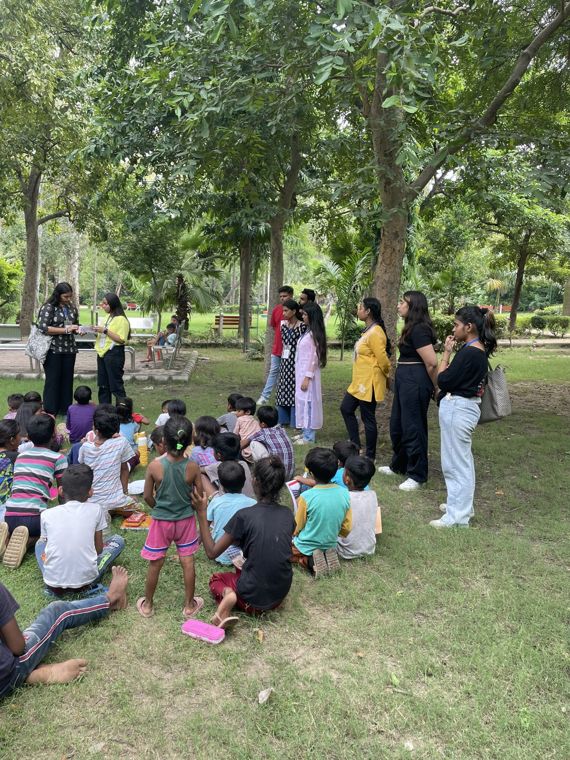
These sessions started because we kept being asked questions the children's mothers had nowhere else to ask. Personal safety, legal rights, dealing with harassment, navigating a marriage that wasn't working — none of it on a syllabus, all of it urgent. Run as small circles in community spaces, never as lectures. We bring practitioners where we can — lawyers, counsellors, social workers — and otherwise we sit with what is being said and try to be useful.
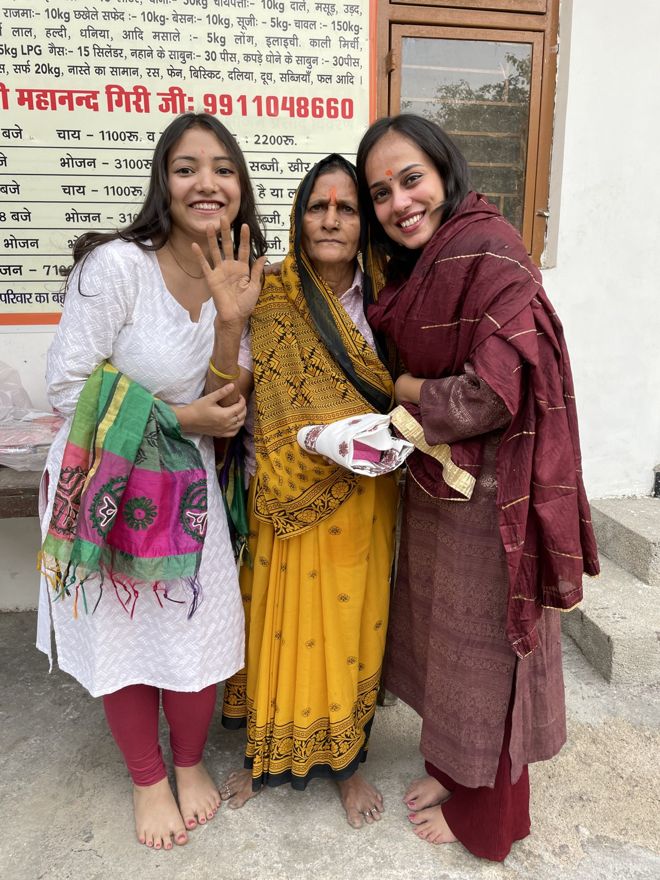
There is no shortage of mental-health language online, and almost none of it reaches the neighbourhoods we work in. Our workshops are aimed especially at adolescents who have feelings they have never had words for. We bring in a counsellor or psychologist where possible. Otherwise we run something closer to a group conversation: small, slow, no diagnosis, no fixing. The aim is the first conversation, not the last. Once a young person knows the door exists, the rest gets easier.
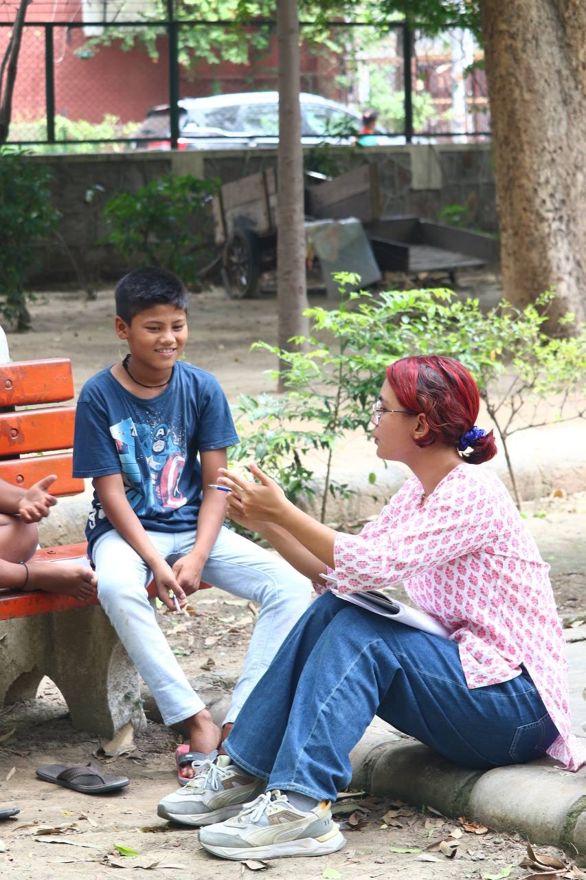
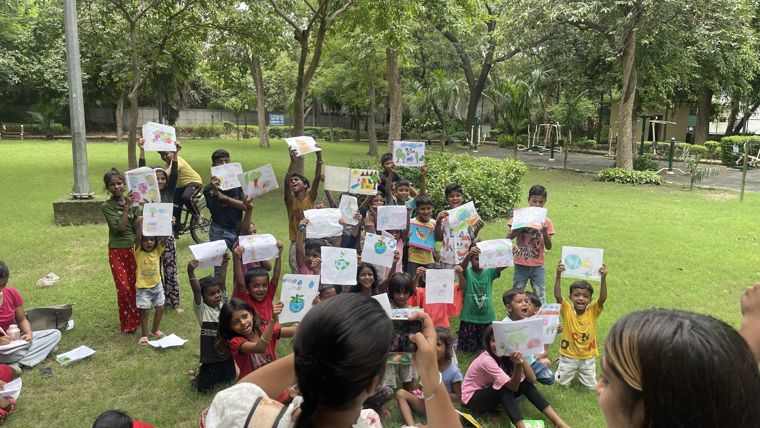
Diwali, Eid, Christmas, Children's Day — and a few smaller occasions besides. On each of these, we run a drive: meals cooked or sponsored, clothes and sweets distributed, a few hours of music and play with the children. The events themselves are not the work. The work is the year-long relationships that make the children feel comfortable enough to show up — to sing badly, to ask for seconds, to be seen — on the day.
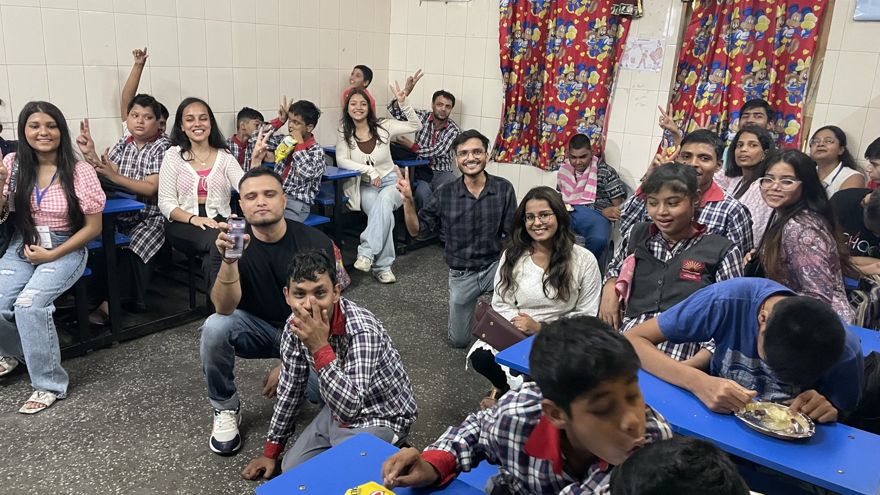
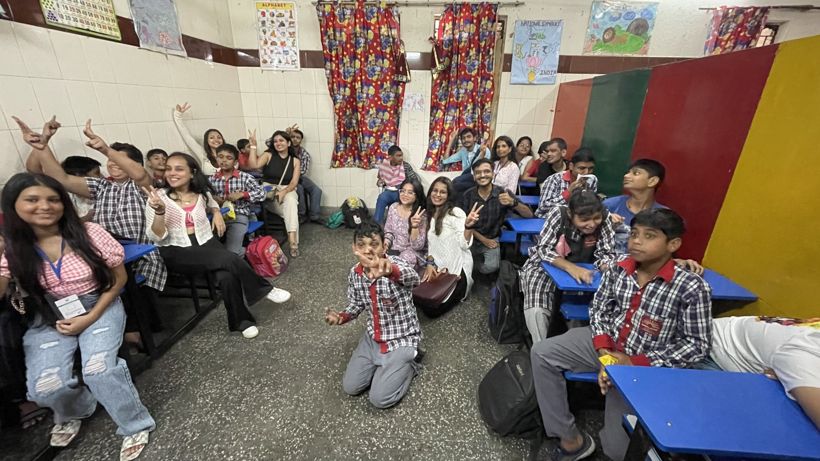
A community kitchen, three founders, a dozen volunteers, and the children of one basti dressed in their best. Lights strung up where there'd been only a stretch of dust the day before. Sweets handed out. Diyas lit by hands too small for them. A night that mattered, briefly and entirely.
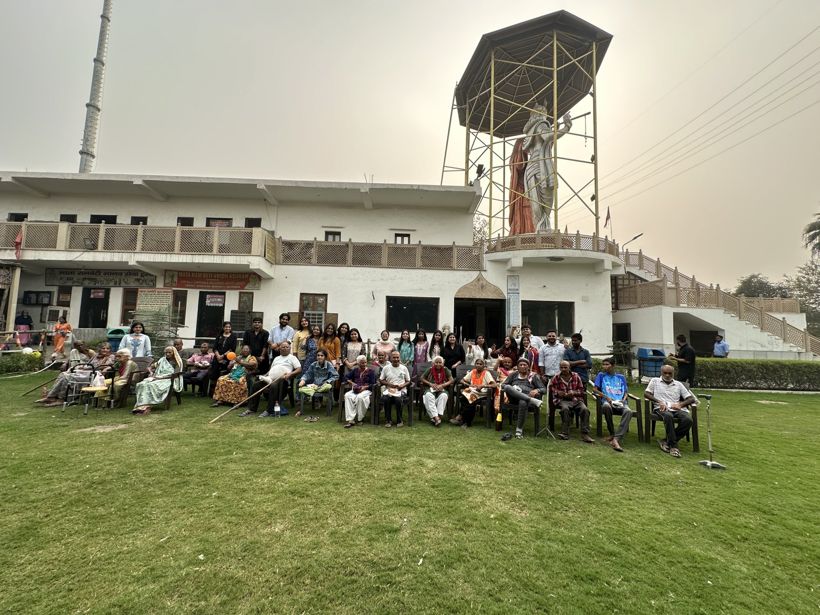
We weren't sure anyone would come. Sixty did. Teenagers, mostly, plus a quieter row of mothers at the back. A counsellor walked them through what anxiety looks like in the body. The Q&A ran an hour past schedule, and we promised to do it again before the year was out.
Blankets bought in bulk, packed into one rented Tempo, then walked door-to-door through a settlement at the edge of the city. The point was getting there before the cold did — handing them over while gratitude was still polite, not desperate. A small dignity, and an important one.
I came for one Sunday and stayed for three years. It's the closest thing I've had to a real practice — small, slow, and the only part of my week I never want to skip.
— A. R., Volunteer since 2022
My daughter went from refusing to speak in class to leading her own group on Sundays. I don't know how, exactly. I just know they kept showing up.
— Mother of a student
There are more ways into this work than you might think — and most of them start with a single message.
The bulk of our weekly work happens in slum classrooms in Delhi — and it runs on people who show up. Expect to teach, organise, run activities, or simply be the steady adult in the room for a few hours each week.
Apply to volunteerFor students and early-career folks who want a real seat at the table — a few months of structured work across our programs, with mentorship and a proper handover at the end. Not coffee runs.
Apply for internship Read the role details (PDF)If you run an organisation, a school, or a brand with budget for community work that's actually community work, we'd love to talk. Most of our best partnerships started as a single honest email.
Write to us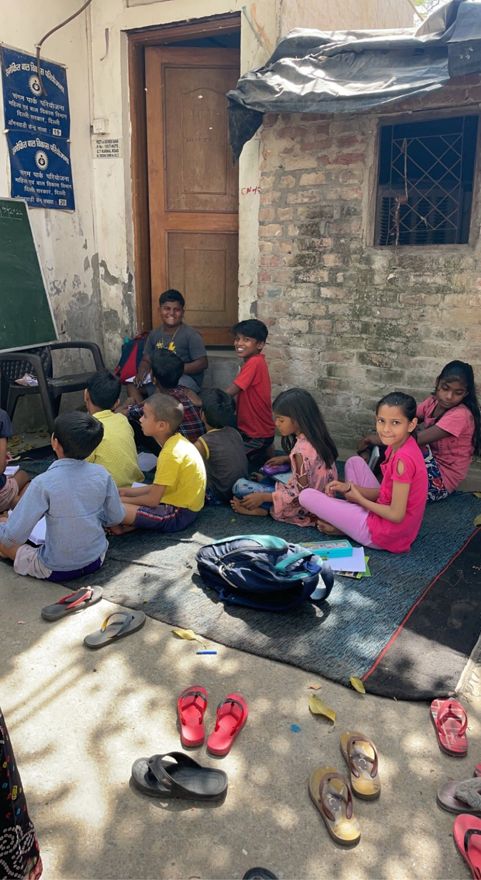
A Sunday usually starts on a metro at 8:30 in the morning — a quiet platform, a coffee in a paper cup, the day still cool. By 9:30 you're walking down a lane that smells of frying oil and laundry soap, looking for the gate. The kids spot you before you see them. The first hour is loud: attendance, mats unrolled, the morning's lesson chalked onto a wall. Then a chai break — milky, sweet, served in steel — and a quieter second hour. Drawing, maybe. Reading aloud. By noon someone has produced a phone and a group photo gets taken, badly. You walk back to the metro slightly hoarse, slightly sunburned, slightly converted.
The fastest way to get a real human reply. We read everything that comes in, usually within a week.
Concrete, accounted-for, and quietly turned into the work you've read about.
Most of what we do runs on small, predictable costs. Books and stationery for the children we teach. Sanitary supplies for the women we work alongside. Bus fares and metro cards for volunteers who come from across the city. Festive kits at Diwali, Eid, Christmas. Tea and lunch for a workshop. The occasional larger expense — a counsellor's honorarium, a bulk blanket purchase, a school registration fee — but mostly it's the small, recurring things that quietly add up to a year of work. Your money goes there. Every rupee is logged, and you can ask to see the books.
Enter an amount above to generate your QR code.
Scan with any UPI app — GPay, PhonePe, Paytm, BHIM.
Notebooks, pens, and a month of stationery for one child in our weekend classroom.
A full Sunday of activities for the slum drive — supplies, snacks, and a small craft project.
A festive joy kit — meals, sweets, and small gifts — for twenty children on a holiday.
An entire community workshop end to end: venue, facilitator, materials, and a hot meal at the close.
Made a donation? Message us your payment reference on WhatsApp and we'll send your 80G receipt. Donations to Nawazishein Foundation are eligible for tax exemption under Section 80G of the Income Tax Act.
Request my 80G receipt on WhatsAppEnter the details for the donation you just made. The receipt downloads as a PDF, and a copy is recorded with us automatically.
Nawazishein Foundation is a registered Section 8 nonprofit under the Companies / Societies Registration Act of 1860. Donations are tracked rupee-for-rupee — we maintain quarterly records and are happy to share them with anyone who asks. If you'd like to see how a specific contribution was used, write to us. The books are not private. Donations may be eligible for tax exemption under Section 80G — write to us for a receipt.
Thank you. We don't take any of it lightly.
Whether you'd like to volunteer on the ground or intern with us for a few months, tell us a little about yourself and we'll be in touch.